Black Silhouette Dog Playing with Ball
I have stitched, tested, and sold enough embroidery projects to know that a design can look perfect on screen and fall apart in the hoop. When I first opened Black Silhouette Dog Playing with Ball, I was curious whether it would hold up under real sewing conditions. After running it through several test stitches and building a small run of custom totes for a local pet boutique, I have a clear picture of what this machine embroidery design does well, where it needs care, and what kind of finished product it truly elevates. This is not a marketing sheet. This is practical judgment from someone who has to answer to customers when a design does not wear well.
First Look and the Mood It Creates
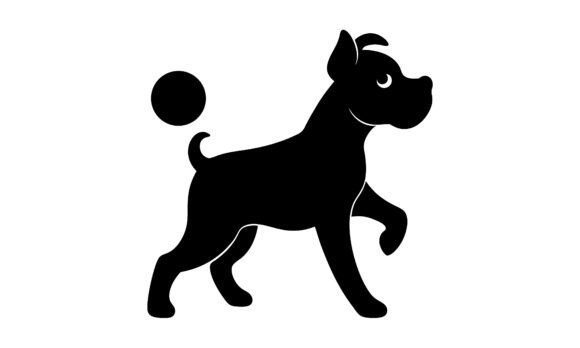
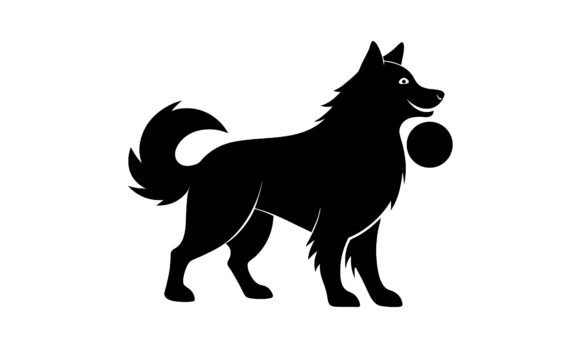
The design captures a dog mid-play, body stretched, mouth open, paw reaching for the ball. The silhouette style keeps the image clean and bold, which is exactly what you want in embroidery where fine detail can disappear into fabric. The dog is not a specific breed, which is actually a strength. It reads as playful, energetic, and universal. That means it works for a golden retriever owner and a rescue mutt owner alike. The ball adds a clear focal point and tells a story without words. This is the kind of design asset that feels at home on custom apparel, embroidered patch projects, and personalized gift items for dog lovers. The silhouette approach also gives it a modern, almost minimalist personality that fits boutique branding better than a cartoonish dog face would.
Where This Design Shines in Real Projects
I tested Black Silhouette Dog Playing with Ball on a cream cotton tote bag first, because that is a staple product for any craft business or Etsy seller building a pet line. The silhouette stitched out cleanly with a satin stitch outline and a light fill stitch inside the body. The shape held its integrity through the whole sew-out. On medium-weight cotton, the stitch density felt appropriate—not so dense that the fabric puckered, not so loose that the design looked hollow. I then moved to a charcoal sweatshirt, which is a high-demand item in fall and winter. The black thread on dark fabric required a white underlay or a placement change, but the silhouette itself handled the shift well because there are no tiny gaps or thin lines that would get lost in fabric texture. This applique design potential is strong too. The bold interior spaces could easily be replaced with fabric applique pieces if you want to reduce stitch count or add texture contrast.
I also ran a small batch of embroidered patch versions for a dog rescue fundraiser. The design fit inside a standard 4x4 hoop size without crowding. The patch edges were clean enough that I did not need to add a thick border; the silhouette shape itself acted as the boundary. That saved time and thread. For baby embroidery projects, the playful energy works well on bibs, onesies, and small blankets. Just be mindful that the ball element adds a small detail that needs to be visible on tiny garments. On a 3-inch bib, the ball might need slight enlargement to read clearly. For holiday embroidery, a red thread swap on the ball gives it a festive feel without changing the design.
Where You Need to Be Careful
No design is perfect for every surface, and Black Silhouette Dog Playing with Ball has a few limits worth respecting. The silhouette style means there are no internal details like eyes or fur lines. That is fine for bold looks, but if you are stitching on thin fabric like a lightweight t-shirt or a delicate muslin blanket, the large filled areas can cause stitch density issues. The fabric may not support that much thread coverage without stabilizer backing. I recommend a tear-away or cut-away stabilizer depending on fabric weight. On stretchy fabric like jersey knit, the design can distort if you do not use a topper or a temporary adhesive spray to keep the fabric from shifting.
Another place to think twice is curved surfaces like caps or hats. The dog body is long and horizontal, which makes it tricky to fit on a curved cap front without the ends lifting or distorting. If you are doing commercial embroidery on caps, you may need to scale the design down or position it offset to avoid the worst of the curve. Similarly, layered garments like hoodies with thick seams or zippers require careful placement so the design does not stitch over a seam and cause needle breaks. The silhouette itself is sturdy, but the ball element is small enough that it could get lost if placed over a heavy fabric texture like fleece or boucle. Always test on scrap fabric first before committing to a production run.
Visual Appeal, Customer Trust, and Product Value
In my experience, customers respond to clarity. A design that is easy to read from across a room sells itself. Black Silhouette Dog Playing with Ball has that kind of readability. When I displayed the finished totes at a craft fair, people smiled immediately. They did not need to lean in to see what it was. That instant recognition builds customer trust and makes the handmade product feel professional. For small shop product listings on Etsy, this design photographs well in both printable mockup format and on actual garments. The black silhouette against a light background creates strong contrast that does not require complicated lighting to look good. That matters for digital product sellers who need to show the design clearly in thumbnails.
For brand consistency, this design is versatile enough to pair with text or other small motifs. I added a small bone shape below the dog on one run of apron embroidery, and the silhouette style matched well. The giftability factor is high. Dog owners buy for themselves and for other dog owners. A clean, modern silhouette feels more elevated than a clip-art style dog, so customers perceive higher value. That translates to better pricing power for your craft business. The design also works for personalized gifts when paired with a name. Just keep the name in a simple font so it does not compete with the motion of the dog.
Practical Designer Notes Before You Stitch
Before you load this embroidery file into your machine, here is what I recommend based on my test run. First, test the design on scrap fabric of the same weight as your final product. This is non-negotiable. Check your thread colors against the fabric background. Black thread on white fabric is classic, but a dark navy or charcoal fabric may require you to choose a lighter thread or add a white underlay. I used a standard black polyester thread and it worked well, but a matte black thread gives a softer finish that avoids a plastic shine on custom apparel.
Review your stitch density before stitching. If the design feels too dense for your fabric, you can reduce density in your software or switch to an applique design approach where fabric replaces the fill stitches. That also reduces stitch time and thread cost, which matters if you are producing small shop product in volume. Confirm your hoop size in advance. The design fits a standard 4x4 hoop, but larger hoops allow for more breathing room and easier positioning. I recommend hooping with a medium-weight stabilizer and floating your fabric if it is particularly delicate. For commercial embroidery runs, I would also recommend stitching a test sample and washing it to see how the design holds up. Silhouette designs with large filled areas can sometimes shrink or pucker after washing if the stabilizer is not matched to the fabric.
Before you sell any finished product or offer this as a digital embroidery file to customers, confirm the licensing terms. The product is listed under Crafts and Graphics categories, which suggests it is intended for creative use, but always verify whether commercial use is allowed when selling physical items or when sharing the design as part of a design asset bundle. I have seen too many sellers assume permission and face issues later. Check the file formats you receive against your machine's compatibility. If only SVG and EPS are provided, you may need conversion software to create a proper machine embroidery design file for your brand of machine.
Final Thoughts on the Design
Black Silhouette Dog Playing with Ball is a solid addition to any embroidery project library if you understand its strengths and limits. It works best on medium-weight fabrics, in larger hoop sizes, and with proper stabilizer support. It delivers strong visual appeal, high customer recognition, and versatile use across tote bag design, sweatshirt embroidery, baby embroidery, embroidered patch projects, and holiday embroidery with simple color swaps. It requires care on thin or stretchy fabrics, curved surfaces, and very small formats. As a designer, I appreciate that it does not try to do too much. The silhouette approach is honest about what it offers: a clear, energetic image that stitches well and sells well. Test it, tweak it for your fabric, and it will serve your craft business reliably.