Black Silhouette Dog Vector: A Real-World Embroidery Evaluation
There is a distinct gap between a digital graphic looking clean on a screen and holding its shape under a moving needle. As someone who has digitized and stitched thousands of designs for clients, custom apparel, and boutique merchandise, I tend to view vector assets with a critical eye. The Black Silhouette Dog Vector arrived as a straightforward SVG and EPS file, pitched for DIY crafts and graphic projects. But how does it actually behave when you load it into your embroidery software and commit it to thread? Let’s walk through the practical realities of using this design for real products.
Design DNA: The Strength of a Clean Profile
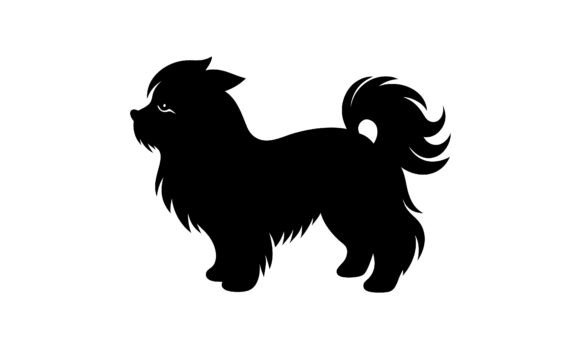
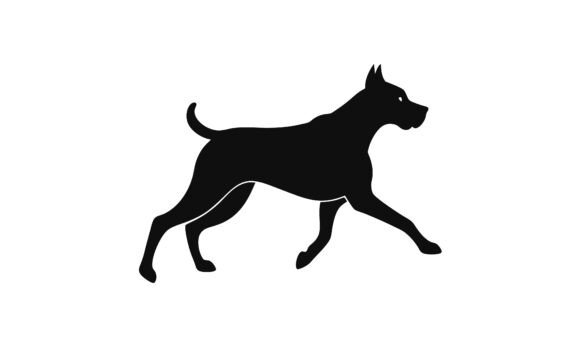
The first thing I noticed about the Black Silhouette Dog Vector is its commitment to negative space and a bold, uninterrupted outline. There are no distracting interior details or overly complex fur textures to manage. This is a pure profile, which immediately tells me it is built for versatility. In the world of machine embroidery, clean silhouettes are gold. They translate predictably into satin stitch columns or dense fill stitch shapes without the digitizing software guessing how to handle tiny, overlapping strokes.
Mood-wise, this design lands in a very accessible space. It is modern enough for a trendy boutique product, yet classic enough for a sentimental personalized gift. For an Etsy seller or small business owner, that duality is exactly what you want in a design asset. It appeals to dog lovers across demographics without being overly cartoonish or juvenile.
Real Case Scenario: The Custom Tote Bag and Sweatshirt Test
Let me set a specific scene. A client requests a custom tote bag featuring their late dog. They want it to be elegant, wearable, and stitched cleanly. I take the Black Silhouette Dog Vector and import it into my digitizing software.
Because the vector is a solid silhouette, my first decision is construction method. For a tote bag, stable fabric allows for a dense fill stitch or a wide satin stitch. I personally preferred a medium-density tatami fill with a slightly rounded satin stitch border. The stitch out was crisp. The dog’s profile was immediately recognizable, and the lack of clutter gave the finished product a high-end, professional feel.
For a sweatshirt embroidery project, the design performs equally well if sized correctly. A 4x4 hoop size captures a medium dog breed beautifully. The bold shape reads well on textured fleece, provided you use a cutaway stabilizer to anchor those stitches. The visual appeal here translates directly to product value. Customers trust a handmade product that looks intentional and sews out without puckering or distortion. This design delivers that confidence on stable fabrics.
Best Use Cases: Where This Design Earns Its Keep
- Custom Apparel: Sweatshirts, t-shirts, and hoodies benefit from the bold, graphic nature of a silhouette. It works as a chest or back design.
- Embroidered Patches: This is a top-tier use case. A satin stitch edge with a tight fill stitch interior creates a durable, professional patch for Etsy shops.
- Baby Embroidery: A simple dog silhouette on a onesie or baby blanket makes for an excellent unisex personalized gift. It reads soft and modern.
- Tote Bags and Aprons: The stable fabric of canvas or cotton twill lets the design shine without warping.
- Holiday Embroidery and Pet Memorials: This design has strong giftability. A silhouette of a beloved pet on a pillow cover or kitchen towel creates an emotional, high-value product.
Where to Exercise Caution with This Vector
No design is perfect for every surface, and I would be remiss if I didn't point out where the Black Silhouette Dog Vector needs careful handling.
- Small Hoop Sizes (4x4 and under): If you shrink the design too much, the nuances of the dog's profile—ears, snout, tail—can become lost in the stitch density. I recommend testing the digitized version at your target size on scrap fabric first. If the design has breed-specific features, they need room to breathe.
- High-Texture Fabrics: Fleece, thick towels, and heavy knits can swallow the density of a silhouette fill stitch. You will likely need a water-soluble stabilizer on top or a heavy cutaway underneath to keep the profile sharp.
- Stretchy Single Knits: A dense fill stitch can cause tunneling or puckering on unstable t-shirt fabric. If you are using this for apparel decorators who work with stretch tees, ensure your digitizing has proper underlay and reduced density.
- Curved Surfaces (Caps): A large, solid silhouette can be stiff on a curved cap surface. Consider using a running stitch outline with a lighter fill, or sizing the design smaller for the front crown.
- Dark Fabric Thread Contrast: Since the design is inherently a "black" silhouette, you must consider your fabric color. A black silhouette on a black garment disappears. This is where your role as a designer comes in—adjusting thread colors to ensure the silhouette remains the focal point.
Practical Designer’s Notes: Pre-Stitch Checklist
Before you commit this to a final product, run through the standard steps that separate a good handmade product from a great one. First, confirm your licensing. The product description places it under Crafts and Graphics for DIY use. If you are a creative entrepreneur selling finished items, verify the commercial use rights for the vector file from the seller. This is standard due diligence for any digital embroidery file or graphic design asset.
Second, review the vector paths in your software. Smooth curves digitize better than sharp, jagged nodes. If you find any harsh corners, smooth them out in your vector editing software before importing to your embroidery machine design program. This prevents thread breaks and uneven satin stitch edges.
Third, select your stabilizer based on the product. For a structured tote bag design, tearaway works perfectly. For a custom apparel piece on knit fabric, a firm cutaway is mandatory to support the stitch density of a large silhouette.
Finally, test the design in both a light and dark fabric mockup. The Black Silhouette Dog Vector relies entirely on its outer shape for recognition. If the thread color blends into the fabric, the entire value of the embroidery project is lost. High contrast is your friend here.
Business Value for Small Shop Owners and Makers
For an Etsy seller or boutique brand, this design is a smart inventory addition to your design assets library. It covers a high-demand niche—pet lovers—without being seasonal. You can use this vector for printable mockups on your listings, then stitch it out for actual orders. This consistency between your digital preview and the finished products builds customer trust.
Because it is a vector graphic, you have the flexibility to resize it for multiple product types. You can create a small embroidered patch for a cap, a medium chest design for a sweatshirt, and a large focal graphic for a tote bag, all from the same original file. That is efficiency that directly impacts your craft business bottom line.
Final Verdict: A Reliable Foundation for Embroidery Projects
The Black Silhouette Dog Vector holds up well under real production scrutiny. It is not a magic file that digitizes itself, but it provides a strong, clean skeleton for high-quality machine embroidery. Whether you are an apparel decorator fulfilling a bulk order or a hobbyist making a one-off personalized gift for a friend, this design offers the clarity and boldness needed for successful stitch work.
As long as you respect the limitations of small hoop sizes, textured fabrics, and digitizing density requirements, this vector will serve you well across a wide range of projects. It is a practical, commercially viable graphic that bridges the gap between a simple drawing and a professional, saleable handmade product.