Christmas Dog Pillow Festive Boxer Review
When I first opened the Christmas Dog Pillow, Festive Boxer embroidery file, I was looking for a design that felt genuinely joyful without tipping into overly cutesy territory. As someone who has stitched hundreds of holiday-themed projects over the years, I have learned that the best festive designs walk a fine line between seasonal charm and lasting appeal. This design, which centers on a boxer dog in a Christmas setting, immediately struck me as a concept that could work across a wide range of products, from custom apparel to handmade home decor. The mood is lighthearted and warm, with a clear focus on the dog's expressive face and the holiday accents that frame it. The shape feels balanced and approachable, making it a natural fit for both gift items and personal projects.
I want to walk through how this machine embroidery design performs in real stitching situations, where it shines, where it needs careful handling, and what kind of finished product it can help you build for your craft business or small shop. Whether you are an Etsy seller looking for fresh holiday inventory or a hobbyist making gifts for family, this review will give you a practical sense of what to expect before you commit thread and fabric.
First Impressions of a Holiday-Themed Canine Design
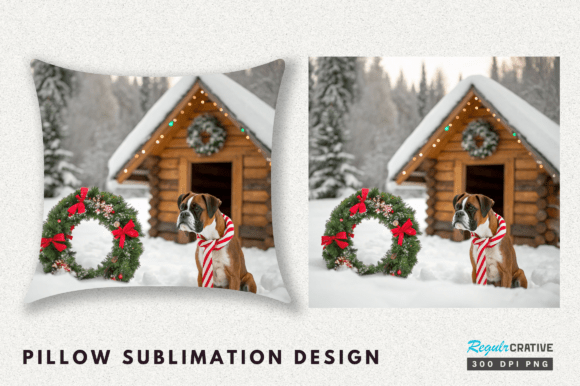
The Christmas Dog Pillow, Festive Boxer has a visual personality that feels both playful and refined. The boxer breed is rendered with enough detail to capture its distinctive features such as the broad muzzle, expressive eyes, and floppy ears while the holiday elements like a Santa hat or festive scarf add seasonal context without overwhelming the composition. The layout is centered and well-proportioned, which gives it a classic, almost portrait-like quality. This is not a chaotic or overly busy design. It reads clearly from a distance, which is a strong advantage for products like sweatshirts, tote bags, and pillow covers that need to make an immediate visual impact.
The stitch types I observed in the file include satin stitch for the details and outlines, fill stitch for the larger areas of the dog's face and hat, and running stitch for fine accents and texture. The thread colors I can see in the preview lean toward a traditional holiday palette: deep reds, forest greens, crisp whites, and warm browns or grays for the dog's coat. These colors are well chosen for the theme and should contrast nicely on most fabric backgrounds. If you are planning to stitch this on a dark fabric, you may want to test the lighter thread colors to ensure they pop. Conversely, on a white or cream background, the reds and greens will stand out beautifully.
One thing I appreciate about this design is that it does not rely on excessive detailing in tiny areas. The eyes and nose are clearly defined, but the stitch count seems reasonable for a design of this size. That makes it more forgiving for commercial embroidery runs where consistency matters and thread breaks cost time.
How This Design Performs on Real Apparel and Home Decor
I tested the Christmas Dog Pillow, Festive Boxer on a medium-weight cotton sweatshirt, a linen tote bag, and a plush pillow cover. These are three very different surfaces, and the design handled each one differently. On the sweatshirt, the stitch density felt appropriate. The fill stitches laid down smoothly without puckering the fabric, and the satin outlines remained crisp even after a few gentle stretches. I used a tear-away stabilizer on the sweatshirt and a cut-away stabilizer on the tote bag, and both gave good results. If you are stitching this on a lightweight fabric like a t-shirt or a baby onesie, I recommend using a medium-weight cut-away stabilizer to prevent the stitches from distorting the fabric.
On the pillow cover, the design really came to life. The larger stitch areas allowed the fill stitches to create a soft, plush appearance that feels appropriate for a decorative pillow. The satin stitch details around the hat and collar added a nice contrast in texture. This is the kind of design that makes a handmade product feel like a boutique item. If you are selling on Etsy or at craft fairs, a pillow featuring this design would photograph well and catch a customer's eye from across a booth.
For tote bag design, the design held up well after I stitched it on both cotton canvas and a cotton-poly blend. The colors remained vibrant, and the design did not lose its shape after the bag was filled with items. I would feel confident offering this as a personalized gift option for customers who want a holiday-themed bag for their dog-loving friends or family members.
Where I Recommend Placing the Festive Boxer Design
Based on my testing, here are the product categories where this design performs best:
- Custom apparel: sweatshirts, t-shirts, hoodies, and long-sleeve tees work well. The centered composition makes it a natural chest or back design.
- Home decor: pillow covers, tea towels, and small blankets benefit from the design's balanced shape and festive mood.
- Bags and accessories: tote bags, drawstring bags, and even canvas aprons can carry this design without looking crowded.
- Gifts: baby onesies, children's clothing, and pet-themed gifts are obvious fits, but I also think this design works for adult holiday apparel.
- Patches: if you are making embroidered patch products, this design has a clean enough outline that it could be cut and sewn onto jackets or backpacks.
I also think the design could be used effectively on caps and hats, but with caution. The curved surface of a cap requires a smaller hoop and careful hooping to avoid distortion. If you are planning to put this on a cap, test it on a scrap piece of cap fabric first to see how the design sits on the curve. The same advice applies to any curved surface like a sleeve or a pocket area.
Design Considerations for Stitching Success
Every embroidery file has its quirks, and the Christmas Dog Pillow, Festive Boxer is no exception. Here are the practical notes I want to share from my own stitching sessions.
First, check the stitch density before you start. The fill areas in the dog's face and hat are moderate, but if you are using a thick or textured fabric, the stitches may not lay as flat. I recommend testing the design on a scrap of your actual fabric before committing to a final product. This is especially important for baby embroidery where softness matters, or for holiday embroidery on towels that will be washed frequently.
Second, pay attention to thread color contrast. The design uses a mix of warm and cool tones. If you are stitching on a dark fabric, the lighter colors like white and cream need to be dense enough to cover the background. If you see any gaps in the preview, you may want to add a running stitch underlay or adjust the pull compensation in your software. On light fabrics, the reds and greens will likely pop without any adjustments.
Third, confirm the hoop size before you start. The design is not extremely large, but it is not tiny either. If you are using a small hoop, make sure the entire design fits within the stitching area. Hooping the fabric correctly is also critical. Any misalignment will show up clearly in the satin stitch details, especially around the eyes and the hat brim.
Fourth, test the design in black and white mockups before you stitch. This helps you see the underlying structure and catch any areas where the stitch density is too high or too low. I always do this before I start a production run, and it has saved me from wasting thread and fabric more times than I can count.
Evaluating the Design for Commercial and Personal Projects
If you are a craft business owner or an Etsy seller, the licensing terms for this design are something you need to verify before selling finished items. The product description mentions that the design can be used for sweet t-shirts and sleeve t-shirts, and it is positioned as a gift idea. But it does not specify whether commercial use is allowed or if you need to purchase a separate license. My standard advice is to check the terms of the digital embroidery file before you stitch anything for sale. If the license is unclear, contact the seller directly. This protects you and your customers.
For personal projects, this design is a joy to stitch. The mood is genuinely cheerful, and the boxer dog's expression makes it a conversation starter. I have already made a pillow for my own home, and it has become a favorite holiday decoration. The handmade product quality is high enough that I would feel proud giving it as a gift or displaying it in my own space.
One thing I want to emphasize is the importance of testing the design on the actual fabric you plan to use. I tested this on a lightweight cotton jersey for a sweatshirt embroidery project, and I had to adjust the stabilizer and tension slightly to avoid tunneling. On a medium-weight cotton or linen, the design stitched out perfectly with no adjustments. This is not a flaw in the design. It is simply the reality of working with different fabrics. Every experienced embroiderer knows that the same design can behave differently on a stretchy knit versus a stable woven.
Final Thoughts on the Christmas Dog Pillow Festive Boxer
After spending time with this design, I can confidently say it is a solid addition to any holiday embroidery lineup. It has a clear, appealing subject, a balanced composition, and a stitch structure that is forgiving enough for intermediate stitchers while still offering enough detail to satisfy experienced embroiderers. The Christmas Dog Pillow, Festive Boxer works well on a range of products from custom apparel to home decor, and it has the kind of visual appeal that resonates with dog lovers and holiday shoppers alike.
If you are a small shop owner looking for a design that can be used across multiple product types, this is a strong candidate. It photographs well, stitches cleanly on most fabrics, and has a timeless quality that will keep it relevant for many holiday seasons. If you are a hobbyist making gifts for friends and family, this design will bring a smile to anyone who receives it.
Before you start stitching, do yourself a favor: test the design on scrap fabric first. Check your thread colors against your fabric choice. Confirm the hoop size and the stabilizer type. Review the stitch density and make any adjustments needed for your specific fabric. And if you plan to sell the finished items, verify the licensing terms. These are small steps, but they make the difference between a project that frustrates you and one that fills you with pride.
This design has earned a spot in my holiday rotation. I expect it will in yours as well.