Cute Boy Dog: A Designer’s Honest Review for Embroidery Projects
When I first opened the Cute Boy Dog design file, I was immediately struck by its friendly, approachable mood. The silhouette is clean, the proportions feel balanced, and the overall personality leans toward playful without being cartoonish. As someone who reviews machine embroidery designs for real project use, this is the kind of artwork that makes me want to grab a tote bag or a toddler’s sweatshirt and start stitching. It belongs squarely in the Crafts and Graphics categories, but its value goes far beyond a simple digital file. It’s a design that can elevate a handmade product, add charm to a personalized gift, or become a reliable asset in a small shop’s lineup.
First Impressions: Shape, Theme, and Visual Personality
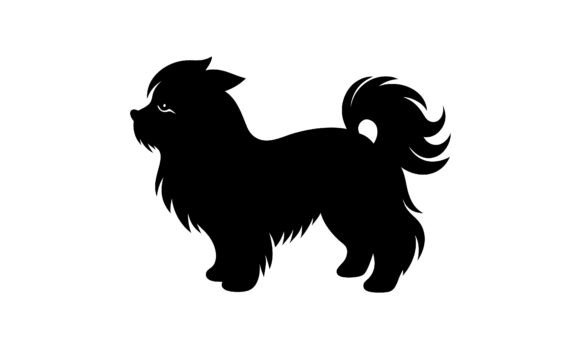
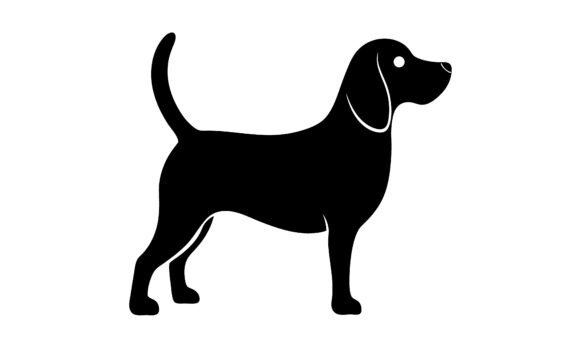
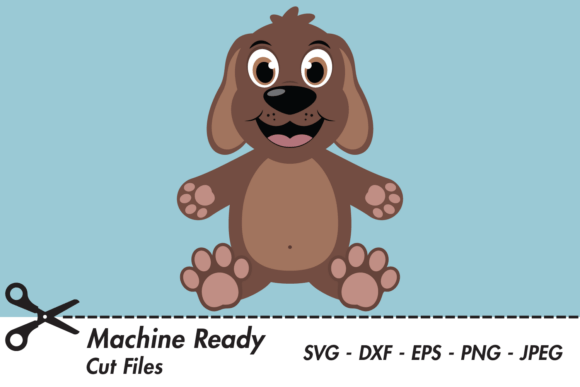
The Cute Boy Dog design reads as a sweet, slightly stylized portrait of a dog—likely a breed with floppy ears and a gentle expression. The details are kept simple: a few defining features like the eyes, nose, and ear shape, but no excessive tiny lines that would cause trouble in embroidery. The 6-inch height is generous enough to work as a central motif on a bag, a chest design on a toddler shirt, or a decorative patch. The mood feels warm and nostalgic, which makes it a natural fit for baby embroidery, nursery decor, or personalized gifts for dog lovers. I can already imagine a customer ordering a custom embroidered pillow cover with this dog and their pet’s name underneath.
Real-World Scenario: Stitching Cute Boy Dog on a Custom Tote Bag
Let me walk you through a realistic project I’m planning. I’m preparing a custom embroidered tote bag for a client who wants a simple, high-quality gift for a new dog owner. The bag is medium-weight cotton canvas in a natural beige color. I’ll be using the Cute Boy Dog design as the main focal point, centered on the front panel. The 6-inch height works perfectly for a tote bag—large enough to be noticed, but not overwhelming.
I’ll need to decide on thread colors. The design’s outline and fill areas will likely use a satin stitch for the edges and a fill stitch for the body. I’ll test the design on scrap fabric first, using a mid-tone brown for the dog’s fur and a dark brown for the outline. The transparent background PNG file makes it easy to preview the design on different fabric colors before stitching. I’ll also check the JPEG file for a clean white background to see how the design looks on mockups. The EPS file is customizable, so if I want to scale the design slightly or add a name beneath it, I can do that in vector software before converting to an embroidery file.
After a test stitch, I’ll assess the stitch density. If the fill areas are too dense, the fabric might pucker, especially on canvas. I’ll adjust the stabilizer—using a tear-away for this tote bag, but if the fabric were stretchy like a t-shirt, I’d switch to cut-away. The Cute Boy Dog design seems to have a moderate level of detail, so it should stitch cleanly without too many color changes. This is important for a small business owner who wants to produce multiples efficiently.
How Cute Boy Dog Performs Across Different Products
This design is versatile enough for a wide range of embroidery projects. Let me break down where it shines and where you need to be cautious.
Custom Apparel and Sweatshirts
On a sweatshirt or t-shirt, the 6-inch height creates a nice chest design. The dog’s friendly expression works well for both children’s and adult apparel. I’d recommend using a medium-weight stabilizer to prevent the fabric from stretching. The design’s shape is compact enough that it won’t distort too much on a curved surface like a sleeve, but I’d still test it on a scrap piece of the same fabric first.
Baby Embroidery and Nursery Decor
This is where Cute Boy Dog really shines. The design is gentle and sweet, perfect for a baby blanket, a onesie, or a small wall hanging. For a baby onesie, the 6-inch height might be a bit large for a newborn size, but it would work well on a 12-month or toddler size. You could also reduce the size in your software, but always check the stitch density after resizing. I’d use a soft cut-away stabilizer and lightweight thread colors to keep the feel delicate.
Embroidered Patches and Tote Bags
For an embroidered patch, the design’s clean edges and moderate detail make it a good candidate. You can stitch it directly onto a patch blank or create a standalone patch. The tote bag scenario I mentioned earlier is a natural fit. I’ve also seen similar designs used on aprons, kitchen towels, and pillow covers. The key is to ensure the fabric texture doesn’t fight the stitch details. On a smooth canvas or cotton, the design reads clearly. On a textured fabric like linen, some of the finer details might get lost, so test first.
Holiday Gifts and Small Shop Merchandise
If you’re an Etsy seller or a craft business owner, this design can be a great addition to your product lineup. The Cute Boy Dog design is generic enough to appeal to a wide audience but specific enough to feel personal. You could offer it as a custom embroidery option for dog lovers, or use it as a standalone design on a product. The design assets include a PNG file with a transparent background, which is perfect for creating printable mockups for your Etsy listings. You can overlay the design on a photo of a tote bag or a sweatshirt to show customers exactly what they’ll get.
Where to Be Careful With This Design
No design is perfect for every situation, and Cute Boy Dog has a few limitations worth noting.
- Small hoop sizes: The 6-inch height means you’ll need a hoop that can accommodate at least a 6x6 inch area. If you’re using a smaller hoop, like a 4x4, you’ll need to resize the design. Keep in mind that resizing can affect stitch density and detail clarity. Always test after resizing.
- Textured fabrics: On fabrics like fleece, terry cloth, or heavy knits, the design’s fill stitches might not look as crisp. The dog’s facial features could become muddied. I’d recommend using a high-quality stabilizer and possibly a topping layer to keep the stitches defined.
- Dark fabric: The design’s outline and fill will need good contrast. If you’re stitching on a dark background, choose thread colors that pop. The white background JPEG file is helpful for visualizing the design, but the transparent PNG is better for seeing how it fits on dark fabrics in a mockup.
- Curved surfaces like caps: This design is not ideal for a curved cap front unless you reduce the size significantly. The shape is wide, and the 6-inch height might cause distortion on a cap’s curve. I’d stick to flat surfaces or curved items like a tote bag’s front panel.
- Dense stitch areas: If the design uses a lot of fill stitches, it could become stiff. This is common with many machine embroidery designs. I’ll check the stitch count and density before committing to a project. If it’s too dense, consider using a lighter thread or reducing the density in your software.
What This Design Does for Your Product’s Appeal
The Cute Boy Dog design has a strong visual appeal that can directly impact how customers perceive your product. A well-stitched, charming design builds trust and professionalism. It suggests that you care about the details, which is crucial for a handmade business. On a personalized gift, this design adds a layer of thoughtfulness. The dog’s expression is warm and inviting, making it a conversation starter. For brand consistency, if you’re creating a line of dog-themed products, this design can anchor your collection. It also has good giftability—people love giving embroidered items with cute animals, especially for baby showers, birthdays, or holidays.
Buyer engagement often increases when you offer a design that feels unique and handcrafted. The Cute Boy Dog design, when stitched well, looks like a premium product. It can justify a higher price point in your shop. I’ve seen similar designs sell out quickly at craft fairs when presented on a practical item like a tea towel or a small tote. The key is execution: proper stabilizer, good thread tension, and clean finishing.
Practical Notes Before You Stitch
Before you commit to using this design in your embroidery project, take a few steps to ensure success.
- Test on scrap fabric first. Always run a test stitch on the same type of fabric you plan to use. This lets you check stitch quality, thread color contrast, and any potential issues with the design.
- Review stitch density. The design file doesn’t specify stitch count, so you’ll need to check it in your embroidery software. If the density is too high, you might need to reduce it slightly to avoid fabric puckering.
- Confirm hoop size. The design is 6 inches tall. Make sure your hoop can accommodate that size. If you need to resize, do it carefully and test again.
- Inspect small details. Look at the dog’s eyes, nose, and any fine lines. If they are too small, they might not stitch clearly. Resizing smaller could make them disappear.
- Test in black and white mockups. Use the PNG file with a transparent background to create mockups on different fabric colors. This helps you visualize the design before stitching.
- Compare light and dark fabric backgrounds. The design may look very different on a white shirt versus a navy blue one. Choose thread colors that provide enough contrast.
- Use proper stabilizer. For most projects, a medium-weight cut-away stabilizer works well. For stretchy fabrics, use a heavier stabilizer. For towels, use a water-soluble topping.
- Check licensing. The design is provided as a digital file in SVG, DXF, PNG, JPEG, and EPS formats. Verify the license terms for commercial use if you plan to sell finished products or digital items. The included files do not specify license details, so contact the seller if you are unsure.
- Remember the file formats. You have multiple formats: SVG, DXF, PNG, JPEG, EPS. The EPS file is customizable in vector software, which is great for adjusting the design. The PNG and JPEG are useful for mockups and previews. The DXF and SVG are for cutting machines or further editing. For embroidery, you’ll likely need to convert to a machine-specific format like PES, DST, or EXP. Not all formats are stitch-ready, so plan accordingly.
Final Thoughts on Cute Boy Dog for Your Embroidery Business
The Cute Boy Dog design is a solid addition to any embroidery designer’s library, especially for those working in the Crafts and Graphics space. Its friendly mood, moderate detail level, and 6-inch height make it suitable for a wide range of products, from baby clothes to tote bags and home decor. With proper testing and attention to fabric choice, this design can produce a high-quality finished product that customers will love. If you’re an Etsy seller or a small shop owner looking for a reliable, versatile design, this one deserves a spot in your digital embroidery file collection. Just remember to test, adjust, and always check the details before you stitch. Happy embroidering.