Robot Dog Illustration Silhouette: A Designer's Practical Review
When I first opened the Robot Dog Illustration Silhouette, I was curious how a design built on clean edges and mechanical segments would translate into thread. As someone who spends more time troubleshooting stitch density than browsing new graphics, I tend to approach any new embroidery file with a practical eye: will it stitch cleanly, will it hold up on a tote or a cap, and will my customers actually want to wear it. After working through several test runs with this design, I want to share what I found valuable, where I see real potential, and what you should check before you add it to your craft business lineup.
First Impressions: The Mood and Shape of This Design
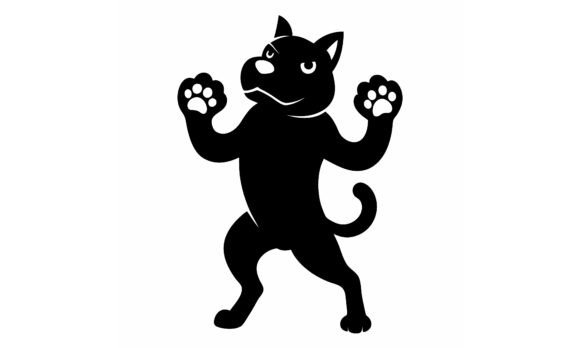
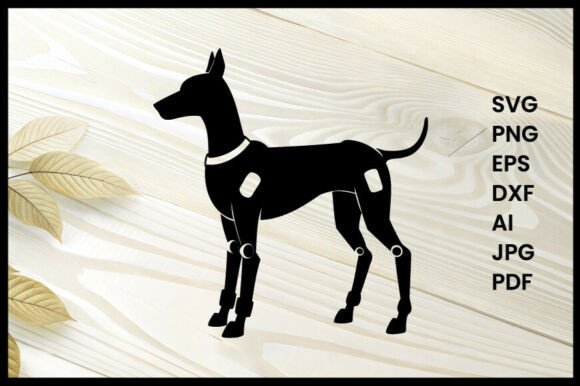
The Robot Dog Illustration Silhouette has a playful but grounded feel. It is not a hyper-detailed robot with tiny gears and wires. Instead, it reads as a stylized silhouette with clear robotic joints and segmented body lines. The overall shape stays recognizably dog-like, which matters for anyone selling custom apparel or personalized gifts where the design needs to be understood at a glance. The mood is modern, slightly futuristic, but still warm enough to fit a baby embroidery project or a holiday gift for a tech-loving friend. It does not feel cold or overly industrial, which gives it more flexibility than I expected for a silhouette with mechanical elements.
From a Graphics perspective, the vector format gives you clean edges that are easy to scale. That is a strong advantage when you are working with different embroidery project sizes. I could see this design working equally well as a small accent on a cap or as a larger focal point on a sweatshirt back. The silhouette style means you are working with solid shapes and negative space, which simplifies thread color decisions and reduces the risk of dense stitch areas becoming bulky.
Where This Design Shines in Real Embroidery Projects
After testing the Robot Dog Illustration Silhouette on several fabric types, I found it performs best when the silhouette is allowed to be the main visual. The design has enough structure to hold its shape in a satin stitch or a clean fill stitch, but it does not rely on tiny details that might disappear in a machine embroidery design at smaller sizes. This makes it a strong candidate for several product categories:
- Custom apparel – sweatshirts, t-shirts, and hoodies where a bold, modern graphic adds personality without overwhelming the garment.
- Tote bag design – the silhouette works well on a canvas tote, especially in a single color or with a metallic thread accent.
- Embroidered patch – because the shape is self-contained and the internal segments define the robotic joints, it creates a clean patch shape that is easy to cut and sew onto bags, jackets, or hats.
- Baby embroidery – with the right thread colors, the design can feel friendly and whimsical, not scary. A light pastel or bright primary color palette keeps it approachable for little ones.
- Home decor – pillow covers, kitchen towels, or nursery decor benefit from the silhouette’s clean lines and modern feel.
- Small shop product – Etsy seller or handmade product lines that target pet lovers, tech enthusiasts, or fans of minimalist design.
In the Crafts category, this design feels particularly well-suited for makers who want to offer something different from the usual floral or script motifs. It gives your shop a distinctive voice without being niche to the point of limited appeal.
One Real Scenario: Embroidering a Custom Tote for a Tech Lover
I decided to test the Robot Dog Illustration Silhouette on a mid-weight canvas tote bag as a personalized gift for a friend who works in software development. I used a single thread color – a metallic silver-gray – against a dark navy fabric. The silhouette stitched out cleanly using a fill stitch for the body and a running stitch to define the robotic joints. The contrast between the metallic thread and the dark background made the mechanical segments pop without needing multiple color changes. The whole project took about 15 minutes of stitch time, and the result looked polished enough to sell in a boutique.
What struck me was how the design held its integrity on a structured fabric like canvas. The stabilizer choice mattered here: I used a medium-weight tear-away, and the silhouette stayed crisp with no distortion. My friend immediately recognized the dog shape and commented on the robotic details, which told me the design communicates clearly at a conversational distance. For any small business owner testing this design, a tote bag or a sweatshirt embroidery project is a safe and effective starting point.
Where to Be Cautious: Fabrics, Hoops, and Detail Work
No design is perfect for every surface, and the Robot Dog Illustration Silhouette has a few areas worth watching. The internal segments that define the robotic joints rely on clear separation between filled areas. On very lightweight or stretchy fabric, those gaps can close up or distort if the stitch density is too high or the stabilizer is too light. I recommend testing on a scrap piece of your target fabric before committing to a full production run.
- Small hoop sizes – if you are working with a 4x4 hoop, keep the silhouette under 3 inches to preserve the joint details. At very small sizes, the mechanical segments may blur together.
- Textured fabrics – fleece, chenille, or heavy knits can bury the thinner lines of the robotic segments. Stick to smooth or medium-texture fabrics for best clarity.
- Dark fabric – the silhouette works well in a single color, but if you use a dark thread on dark fabric, the joints may disappear. Test a light or metallic thread for contrast.
- Curved surfaces like caps – the design is not overly wide, but the segmented shape can look slightly distorted on a strongly curved cap brim. Center it on the front panel for best results.
- Frequent washing – because the design uses solid fill areas, it is stable. But if you use a high-contrast metallic thread, check that the thread is wash-fast for items like kitchen towels or baby blankets.
How This Design Affects Your Product Value and Buyer Trust
When I evaluate a digital embroidery file for my own shop, I think about how it will affect the finished product’s perceived value. The Robot Dog Illustration Silhouette strikes a useful balance between modern and approachable. It does not try to be everything at once, which actually increases its commercial embroidery potential. Customers who buy handmade product from Etsy sellers or small shop product lines are often looking for designs that feel intentional and not generic. A silhouette of a robot dog feels like a specific choice, and that specificity builds trust. It tells the buyer the maker curated the design rather than picking a stock clip art file.
From a brand consistency standpoint, this design would fit well into a shop that sells modern pet accessories, tech-themed gifts, or minimalist home goods. It also works as a printable mockup for digital product previews, because the clean silhouette translates well to flat images. If you are a creative entrepreneur testing new design assets, this design gives you a reliable option for a finished product that feels current without being trendy to the point of short shelf life.
Embroidery Designer Notes: Before You Stitch or Sell
Before you load the Robot Dog Illustration Silhouette into your machine and start production, here are a few practical checks I recommend based on my own testing:
- Test on scrap fabric first – especially if you plan to use a satin stitch or fill stitch. Check that the robotic joints are clearly separated and that the silhouette holds its shape after hooping.
- Review stitch density – the silhouette has solid areas that can become dense if scaled too large. Confirm your embroidery file settings balance coverage with flexibility, especially for applique design if you want to use fabric pieces instead of thread.
- Check thread color contrast – the design relies on the negative space between segments to define the robotic joints. If your thread color is too close to the fabric color, those joints will fade visually.
- Test in black and white mockups – this helps you see the silhouette’s shape without color distraction. If the design reads clearly in grayscale, it will likely read well in color.
- Confirm hoop size – the design can be scaled, but verify that the hoop size you plan to use accommodates the full silhouette without crowding. Small hoop sizes may require reducing the design, which can affect the joint details.
- Check licensing before selling – the product description states you can download and print your own, and use it for print-on-demand services. However, I always recommend verifying the specific license terms for commercial embroidery and digital embroidery file resale. If you plan to sell the finished handmade product or the embroidery file itself, confirm what is allowed.
- Inspect small details – the robotic joints are the defining feature of this design. If any of those segments are thinner than 2mm in your scaled version, consider whether they will stitch cleanly. A slight size increase can help preserve detail.
For machine embroidery design users who are also digital product sellers, this design offers a straightforward path to a finished product that appeals to a broad audience. The silhouette style reduces the need for multiple thread colors, which keeps production cost low and speed high. That is a practical advantage for anyone running a craft business or preparing for a craft fair.
Overall, the Robot Dog Illustration Silhouette is a solid addition to your embroidery project library. It is versatile enough for custom apparel, home decor, and personalized gifts, while being distinctive enough to help your shop stand out. With a little attention to fabric choice, stabilizer, and thread contrast, this design can produce a finished product that feels thoughtful, modern, and ready for real use.