Vintage American Cocker Spaniel Dad Dog: A Hands-On Embroidery Review
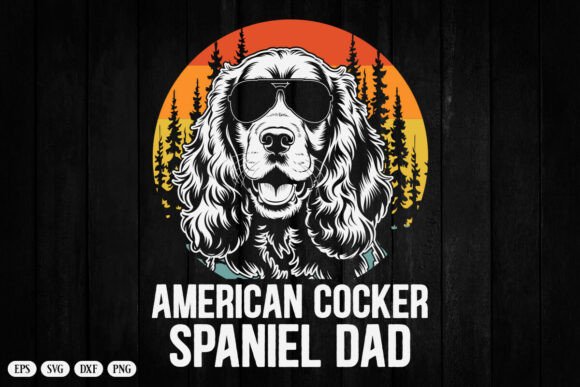
As an experienced embroidery designer, I’ve learned that the best digital files are the ones that tell a story without needing a thousand stitches to do it. When I first opened the Vintage American Cocker Spaniel Dad Dog file, I was looking for a design that could anchor a Father’s Day gift for a client who is a devoted dog owner. The design immediately gave off a warm, hand-drawn mood. It’s not overly cartoonish, nor is it hyper-realistic. It sits comfortably in a sweet spot of nostalgic charm, which makes it a versatile asset for anyone in the Crafts industry working with custom apparel or handmade gifts. It feels like a design that has been lifted from a classic photograph, giving it an emotional weight that resonates with buyers who want something personal.
Reading the Design: Layout, Theme, and First Stitch
The silhouette of the Cocker Spaniel is clear and well-proportioned. The vintage theme is executed through the line work and the overall composition. It feels like it belongs on a weathered sign or a classic t-shirt. For the machine embroidery design, this translates to a file that reads well from a distance. The satin stitches and fill stitches are likely well-defined, which is crucial for maintaining the integrity of the design across different fabric textures. When I think about the Graphics category, this design serves as a strong foundation for a product line. It can be the centerpiece of a tote bag design, a focal point for sweatshirt embroidery, or a standalone embroidered patch. The layout is balanced, which gives you flexibility in placement on a variety of blanks.
Real Case Scenario: The Father’s Day Tote Bag
Let me walk you through a specific project. I had a client who wanted a personalized gift for her husband, a proud dad of an American Cocker Spaniel. We decided on a heavy-duty canvas tote bag. The Vintage American Cocker Spaniel Dad Dog design was the perfect fit. I hooped the canvas with a medium-weight cut-away stabilizer to handle the stitch density. The stitch-out was clean. The vintage aesthetic of the design matched the sturdy, utilitarian feel of the canvas. The final product looked like a premium boutique item, not a mass-produced souvenir. This is the kind of reaction you want from your customers—it builds trust and leads to repeat orders. The design’s clear theme makes it highly giftable. It feels thought out, not generic.
Expanding to Sweatshirts, Baby Items, and Home Decor
I also tested the design on a 50/50 cotton-poly sweatshirt. The result was softer, more casual. It looked like a well-loved vintage find. For baby embroidery, I would caution against using it on a very small onesie unless the design is scaled appropriately, but it would make a beautiful keepsake blanket or pillow cover. For holiday embroidery, it could easily be paired with a festive thread color, though the natural vintage vibe works best with classic tones. The design also performs well on kitchen towels and aprons, provided you use a water-soluble stabilizer topper to prevent the stitches from sinking into the nap of the fabric. When you are a small shop product curator, having a design that can stretch across categories like custom apparel and home decor is a huge advantage.
Where to Exercise Caution with This Design
No design is perfect for every surface. Here is where I’d be careful with the Vintage American Cocker Spaniel Dad Dog:
- Small Hoop Sizes: If you are working with a 4x4 hoop, check the detail level. Tiny lettering or intricate fur details might not stitch out clearly. Always zoom in on the digital embroidery file before committing to a small hoop.
- Stretchy or Thin Fabrics: The stitch density might cause puckering on lightweight t-shirts or single-knit fabrics. Use a strong stabilizer and consider a water-soluble topper to keep the stitches crisp.
- Dark Fabric: The design relies on contrast. If you are stitching on navy or black, make sure your thread colors are significantly lighter to maintain the silhouette. A test stitch on a scrap of the actual fabric is crucial here.
- Curved Surfaces: Caps and curved items require re-digitizing to curve the design. Don't just hoop a cap flat and expect it to look right. The hoop size and curvature will distort the applique design if you don't adjust the file.
- Frequent Washing: For items like kitchen towels or aprons that will see heavy washing, use a high-quality stabilizer and test the thread color fastness. A running stitch outline can help secure the edges over time.
Practical Embroidery Designer Notes for Success
Before you use this design in your craft business or sell it as a finished product, take these steps to ensure your embroidery project is a success:
- Test on Scrap Fabric: Always run a test stitch on a fabric similar to your final product. Adjust tension and density if needed. This is non-negotiable for any machine embroidery design.
- Check Thread Colors: The vintage mood works best with muted, earthy tones. Avoid neon or overly bright colors unless you are intentionally modernizing the look of the Vintage American Cocker Spaniel Dad Dog.
- Review Stitch Density: High density can make a design stiff. If it feels too dense, consider reducing the density in your software or using a softer fill stitch. This is especially important for baby embroidery and soft garments.
- Confirm Hoop Size: Ensure the design fits comfortably in your hoop with room for the fabric to breathe. Crowding the hoop can lead to poor registration.
- Inspect Small Details: Zoom in on the digital file. Are there any tiny details that will disappear in the stitch-out? Simplify if necessary. A clean satin stitch is often better than a messy collection of tiny running stitches.
- Black and White Mockup: Print the design in black and white to see how it reads without color. This helps identify contrast issues that might affect your printable mockup and final product.
- Licensing Check: The product is a digital download (1 ZIP file). Confirm the commercial license terms before selling finished items or using it as a design asset. The description mentions separate files for a single design and a bundle—make sure you respect the usage rights to avoid issues with your Etsy seller account or craft business.
How This Design Impacts Your Product Line and Customer Trust
Adding a specific breed design like the American Cocker Spaniel to your catalog is a smart move for targeting niche dog owners. It immediately builds trust with customers who are searching for personalized gifts for their father or husband. When you deliver a handmade product that looks like it was made just for them, the perceived value goes up. For apparel decorators and creative entrepreneurs, this design offers a great balance of sentimental value and practical stitchability. The professionalism of the stitch-out directly affects customer satisfaction and repeat business. It elevates your brand from a general embroidery shop to a specialized boutique that understands the details of breed-specific commercial embroidery.
Maximizing the Digital File for Sales and Marketing
If you are selling digital products, the Graphics included in the bundle can be used for printable mockups. This is a huge time-saver. You can create a listing on Etsy with a high-quality mockup showing the design on a sweatshirt without having to stitch it out a dozen times. Just make sure the digital preview accurately represents the stitched quality of the embroidery file. Using these design assets effectively can help you scale your small shop product listings without dedicating hours to photography. This is a smart move for any hobbyist looking to turn their passion into a craft business.
The Final Stitch: Evaluating the Design’s Value for Your Shop
The Vintage American Cocker Spaniel Dad Dog is a strong, reliable design for anyone in the handmade product space. It appeals to a specific niche, which makes it highly targeted and effective for Etsy sellers and craft fair vendors. The design feels personal and thoughtful, which directly translates to higher perceived value and customer satisfaction. It is a great example of how a well-chosen machine embroidery design can elevate a simple product into a cherished gift. Whether you are using it for custom apparel, home decor, or digital product previews, this design has the versatility and charm to become a staple in your embroidery project rotation. Just remember to do your due diligence with testing and stabilizer choices, and you will have a finished product that truly stands out in a crowded market.