Downward Dog Pose: Yoga Embroidery for Real Projects
When I first looked at the Downward Dog Pose design, I felt an immediate sense of calm. The silhouette of a woman in a classic yoga posture is stripped down to its essentials—no fussy backgrounds, no distracting clutter. As someone who reviews machine embroidery designs before committing thread to fabric, I appreciate a layout that respects the limits of embroidery while still delivering a clear visual message. This piece falls into the Crafts category as a Graphics-style design, and the translation from digital clipart to embroidery file is where my critical eye lands. The mood is serene, intentional, and modern. It whispers rather than shouts, which makes it a strong candidate for projects aimed at mindfulness, wellness, and thoughtful gift-giving.
First Look at the Downward Dog Pose Design
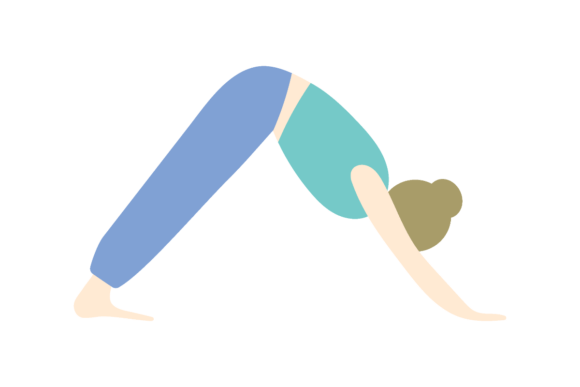
The shape is straightforward: a single figure in downward dog, arms extended, hips lifted, heels reaching toward the floor. There is no complex scenery or decorative border. That simplicity works in embroidery because it avoids the pitfalls of overly dense stitching and tiny detail loss. The pose itself is recognizable to anyone familiar with yoga, so the design communicates instantly without needing labels or text. The visual personality is quiet, elegant, and slightly minimalist. It does not scream for attention, which gives it versatility across different product types and fabric textures.
From a stitching perspective, the design offers clean lines and open spaces. The figure relies on a combination of fill stitch and running stitch to define the body and the posture. I do not have exact stitch counts or specific file formats in front of me, but the overall density appears manageable. That is important when you are working with fabric that cannot handle heavy saturation. The design does not look like it will distort or pucker on medium-weight fabrics, which is a strong starting point for any embroidery project.
Where This Design Shines in Embroidery Work
I recently prepared a batch of custom embroidered tote bags for a local yoga studio that wanted something for their workshop attendees. They wanted a design that felt peaceful and inclusive. Downward Dog Pose was the first file I tested. Stitched onto a natural cotton tote with a medium hoop size, the design held its shape well. The satin stitch areas in the limbs and torso came out crisp, and the running stitch outlines stayed sharp without skipping or distorting. The studio owner was pleased with how the design looked against the raw fabric. It felt like a natural extension of the yoga brand—calm, centered, and handmade.
Beyond tote bags, this design works beautifully on custom apparel like sweatshirts and t-shirts. A soft crewneck sweatshirt in a muted gray or sage green would carry this embroidery well, especially if you use a thread color that contrasts just enough to be visible without shouting. For small business owners and Etsy sellers, that opens up a product line of yoga-themed apparel that appeals to a specific audience: people who practice yoga, teach yoga, or simply appreciate the aesthetic. The design also translates well onto embroidered patches that can be sewn onto jackets, backpacks, or cushion covers. Patches give you flexibility to produce batch runs and sell them as standalone items or as add-ons to other products.
Mindfulness Journals and Wellness Merchandise
If you produce digital products or printable mockups for craft business listings, Downward Dog Pose fits naturally into that space as well. It can be used as a decorative element on journal covers, notebook embroidery, or pillow covers for a meditation room. For handmade product sellers who sell at craft fairs or through boutique branding, this design adds a layer of intentionality. It is not generic. It speaks to a specific lifestyle and mindset, which builds trust with customers who value authenticity in the products they buy.
Applications That Match the Design's Strengths
This design is not limited to yoga studios. It works well for personalized gifts, especially for someone who practices yoga regularly. Consider a custom embroidered towel for after class, a simple apron for a wellness-inspired kitchen, or a baby onesie with a playful twist—though for baby items, you will want to check the scale carefully. The figure in downward dog is an adult silhouette, so scaling it down too much might lose the clarity of the posture. Stick to adult apparel or home decor for the best visual impact. Other strong applications include:
- Tote bag design – raw cotton or linen canvas, medium hoop size, neutral thread
- Sweatshirt embroidery – left chest or center back, contrasting thread for visibility
- Embroidered patch – iron-on or sew-on for jackets, backpacks, or yoga mat bags
- Pillow cover – front-facing placement, soft fill stitch for texture
- Tea towel or kitchen towel – bottom hem placement, lightweight stabilizer
- Printable mockup – digital preview for Etsy listings or social media marketing
- Holiday or wedding gift – paired with a mindfulness journal or wellness bundle
For commercial embroidery projects, such as producing small batches for a boutique yoga brand, this design offers a clean, repeatable motif that stitches out consistently. Customers who buy finished products with this embroidery will recognize the quality and the thoughtful placement. That builds repeat business and positive reviews.
Where to Use This Design with Caution
No design is perfect for every fabric or every product. Downward Dog Pose has a moderate level of detail in the arms and legs, and those areas require enough hoop size to let the stitching breathe. If you try to fit this into a very small hoop, such as a 4x4 inch frame on a cap or a tiny patch, you risk losing the definition in the fingers and feet. The posture needs room to stretch. On curved surfaces like caps or on small accessories, the design may compress in ways that make the figure look stubby or unbalanced. I would not recommend this for baby hat embroidery or very small children's apparel unless you have tested the scaled version on scrap fabric first.
For stretchy fabric like performance wear or thin jersey t-shirts, pay close attention to stabilizer choice. A cutaway stabilizer will help the design hold its shape through stretching and frequent washing. Textured fabrics like fleece or terry cloth can absorb some of the stitch detail, so test a sample before committing to a bulk order. Dark fabric also requires careful thread color selection. A light thread on a dark background will give you the contrast you need to make the pose readable. If the thread color is too close to the fabric shade, the design may disappear entirely.
How the Design Affects Product Value and Customer Trust
When a customer buys a handmade product with an embroidered design, they are not just buying the item. They are buying the care and judgment that went into selecting that design. Downward Dog Pose communicates that you understand your audience. It says that you considered the mood, the placement, and the finished look. That builds credibility, especially for small shop owners and Etsy sellers who compete with mass‑produced goods. A design that stitches cleanly, sits well on the fabric, and matches the brand voice will earn trust faster than a cluttered or poorly scaled motif.
The visual appeal of this design is understated, which makes it giftable. A yoga teacher receiving a custom embroidered towel or tote bag will feel seen. A friend who loves mindfulness will appreciate the thought behind a personalized pillow cover. The design does not rely on trendy fonts or seasonal themes, so it remains relevant year after year. That longevity is valuable for craft business owners who want to build a consistent product line without constant redesign.
Practical Notes Before You Stitch
Before you load this embroidery file into your machine, take a few minutes to run through some basic checks. I always test a design on scrap fabric first, especially when I am working with a new graphics-based file that was not originally created for embroidery. The conversion from digital clipart to stitch file can sometimes introduce unexpected density or distortion. Here is what I recommend:
- Check thread color contrast – test the design on both light and dark fabric backgrounds to confirm the pose remains visible. A black and white mockup printout can also help you see value contrast before you stitch.
- Review stitch density – if the design feels too dense in certain areas, consider reducing the density or switching to a lighter stabilizer. Overly dense stitching can cause fabric puckering or thread breaks.
- Confirm hoop size – make sure the design fits comfortably within your hoop without crowding the edges. Leave enough margin for proper hooping and fabric handling.
- Inspect small details – the fingers, toes, and head shape should be clear and not blur into surrounding stitches. If they look muddy at the intended scale, enlarge the design or simplify the detail manually in your software.
- Use proper stabilizer – for most cotton or poly‑cotton blends, a medium‑weight cutaway stabilizer works well. For stretchy or thin fabrics, increase stabilizer weight or use a combination of tearaway and cutaway.
- Test on the actual product – stitch a sample on the same fabric you plan to use for final production. Fabric texture can change how the design lays, especially on fleece, terry, or linen.
If you are planning to sell finished products that include this embroidery, confirm the licensing terms before listing. Some digital embroidery files restrict commercial use or require a separate license for selling finished items. The product description for Downward Dog Pose notes it includes one file for graphics use, but you need to verify whether the embroidery file version you purchase permits commercial or personal use. Do not assume. A quick check saves you legal headaches down the road.
Final Thoughts on Stitching Downward Dog Pose
Downward Dog Pose is a solid choice for embroidery designers and craft business owners who want a clean, meaningful motif for wellness-focused projects. It works best on medium to large surfaces like tote bags, sweatshirts, pillow covers, and patches. The design avoids unnecessary complexity, which reduces the chance of stitching errors and makes it easier to produce consistent results across multiple items. For yoga studios, mindfulness brands, or any small shop looking to add a calm, intentional piece to their product line, this design delivers without fuss. Test it on your preferred fabric, adjust your stabilizer and thread color as needed, and you will have a finished product that feels both professional and personal.